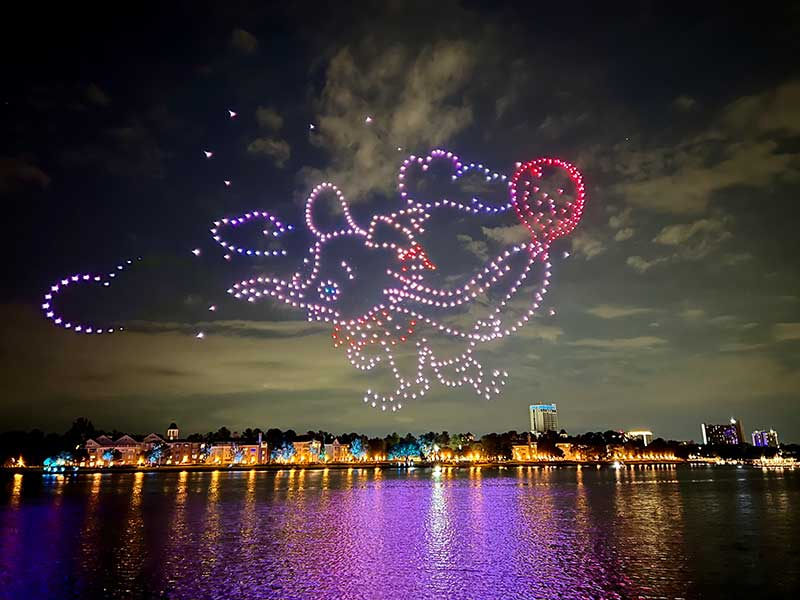
If you’ve ever looked up at the night sky and watched a spectacular formation of glowing drones dance in perfect harmony, you know that drone light shows are a mesmerizing spectacle like no other. These choreographed aerial performances have rapidly grown in popularity as a modern alternative to traditional fireworks, captivating audiences worldwide with their precision, creativity, and eco-friendly appeal. But behind every breathtaking drone light show lies a complex fusion of cutting-edge technology, engineering expertise, and artistic design.
In this article, we pull back the curtain on how drone light shows are created and choreographed — revealing the magic behind the scenes that turns swarms of tiny flying robots into stunning skyborne works of art.
What Is a Drone Light Show?
Simply put, a drone light show involves dozens or even thousands of drones equipped with bright LED lights, programmed to fly in precise formations that create images, animations, or patterns in the sky. Unlike traditional fireworks, which rely on explosions and pyrotechnics, drone shows use the drones themselves as dynamic pixels — repositionable and programmable points of light that can form virtually any shape or image.
Drone light shows have evolved quickly from research experiments to headline entertainment at major events. Verge Aero, a leading company in this space, traces inspiration back to a 2012 TED talk by University of Pennsylvania’s Vijay Kumar, who demonstrated drone fleets performing complex maneuvers. Since then, companies like Intel, Verge Aero, and others have pushed drone shows onto global stages — from the Super Bowl halftime show to city celebrations and music festivals.

The Choreography Pipeline: From Concept to Flight
Step 1: Storyboarding the Show
Every great show begins with a story or theme. The creative team brainstorms the visual narrative they want to tell — whether it’s honoring frontline workers, celebrating a holiday, or creating abstract art. This initial step involves sketching out the key images and transitions that will unfold in the sky.
This storyboard timeline serves as the blueprint for the entire performance. It defines what shapes the drones will form, when they appear, how they move, and how the lighting effects change over time. Alongside visuals, a musical soundtrack is often crafted to synchronize with the drone choreography, enhancing the emotional impact.
Step 2: Designing the Flight Paths with Specialized Software
Once the storyboard is ready, it moves to the technical team that brings it to life using specialized software. Unlike simple animation programs, drone show design software must translate 2D or 3D graphics into real-world flight commands for dozens or hundreds of drones flying simultaneously.
At Verge Aero, for example, the Design Studio software lets designers place graphics and effects on a timeline, similar to video editing. But behind the scenes, the software performs vital tasks:
- Collision avoidance: The program calculates flight paths to guarantee drones never intersect in mid-air. This is critical for safety and show success.
- Precise positioning: By supplementing GPS with ground-based positional data, drones hold their formations tightly even in windy conditions.
- Simulation and rendering: A 3D simulation visualizes the entire show beforehand, letting designers tweak timing and effects until everything looks perfect.
This unified design process dramatically reduces the risk of human error. Historically, creating drone shows required multiple disconnected tools, manual collision checks, and code — all time-consuming and prone to mistakes.
Step 3: Preparing the Drones and Crew
Drone shows use custom-built drones optimized for performances. These drones differ from typical consumer models:
- No cameras or extraneous sensors to reduce weight and complexity.
- Bright, programmable LED lights that can change colors and intensity instantly.
- Redundant radios operating on multiple frequency bands to maintain secure communication in noisy environments.
- Autopilot software separated from mission control software for fail-safe operations.
Before a show, the flight crew runs detailed checklists: batteries are fully charged, drones undergo maintenance if needed, and the airspace is cleared with regulatory approvals. The pilot uses a ground control station to load the flight program onto each drone. Thanks to innovations like giving every drone a full copy of the show program, drones can be placed flexibly in the launch grid, speeding setup.
Step 4: The Live Performance
When everything is set, the pilot presses “GO,” and the drones lift off to their starting positions. From there, they execute their flight paths precisely, following the choreography frame by frame, synchronized with the soundtrack if applicable.
Unlike popular sci-fi depictions, the drones do not think or make autonomous decisions mid-flight. They simply follow pre-programmed instructions transmitted from the ground control. This strict obedience ensures safety and reliability.
The Engineering Challenges Behind the Scenes
Creating a drone light show is no small feat of engineering. Designers and pilots face challenges like:
- Precision in 3D space: The drones must hold their positions tightly, often within less than a meter, to create crisp images visible from miles away.
- Communication reliability: In crowded urban areas or during large events, maintaining stable radio links is critical. Verge Aero uses encrypted local networks with multiple radios to prevent dropouts.
- Safety barriers (geofences): Software prevents drones from flying outside designated areas or too close to the audience.
- Battery life and endurance: Most drone shows last only a few minutes due to battery limits, requiring careful timing and sometimes multiple flights.
How Many Drones Does It Take?
You might assume thousands of drones are necessary to create impressive images, but actually, smaller fleets can be highly effective. Early drone shows often used hundreds or thousands of less bright drones that formed volumetric shapes. Today, companies like Verge Aero use fewer but much brighter and more accurate drones to draw crisp lines and detailed shapes in 3D.
Shows with as few as 50 drones have produced stunning results, while larger spectacles may use hundreds or even thousands for grand scale.

Safety Is Always the Priority
Drone light shows prioritize safety through:
- Rigorous pilot training and certification
- Compliance with FAA and local aviation rules
- Redundant hardware and software systems
- Strict pre-flight checklists and real-time monitoring
- Safe distances from crowds enforced by geofences
Intel’s flawless safety record over thousands of flights exemplifies what professional operations achieve.
What Makes Drone Shows So Special?
Compared to fireworks, drone shows offer:
- Virtually no noise or pollution
- No risk of fire or fallout debris
- Capability to create complex, dynamic, and customizable visuals
- Reusability of drones for multiple shows, reducing waste
This opens new creative possibilities, from storytelling in the sky to interactive experiences.
The Future of Drone Light Shows
Drone light shows are still in their infancy. Advances on the horizon include:
- Integration of augmented reality with drone visuals
- Real-time interactive choreography reacting to audience inputs
- Incorporating different lighting elements, smoke, or even sound on drones
- AI-assisted choreography for more complex and adaptive shows
The sky truly is the limit.
In summary, drone light shows combine advanced robotics, precise software, and creative vision to turn fleets of drones into flying pixels of light. What looks like effortless magic to the audience is, in reality, a masterclass of engineering and artistry behind the scenes. As this technology matures and becomes more accessible, expect drone shows to become a defining feature of theme parks, festivals, and city celebrations around the world.